


Apple, Amazon, NVIDIA, or Google – Who builds the tech behind your car’s dashboard?
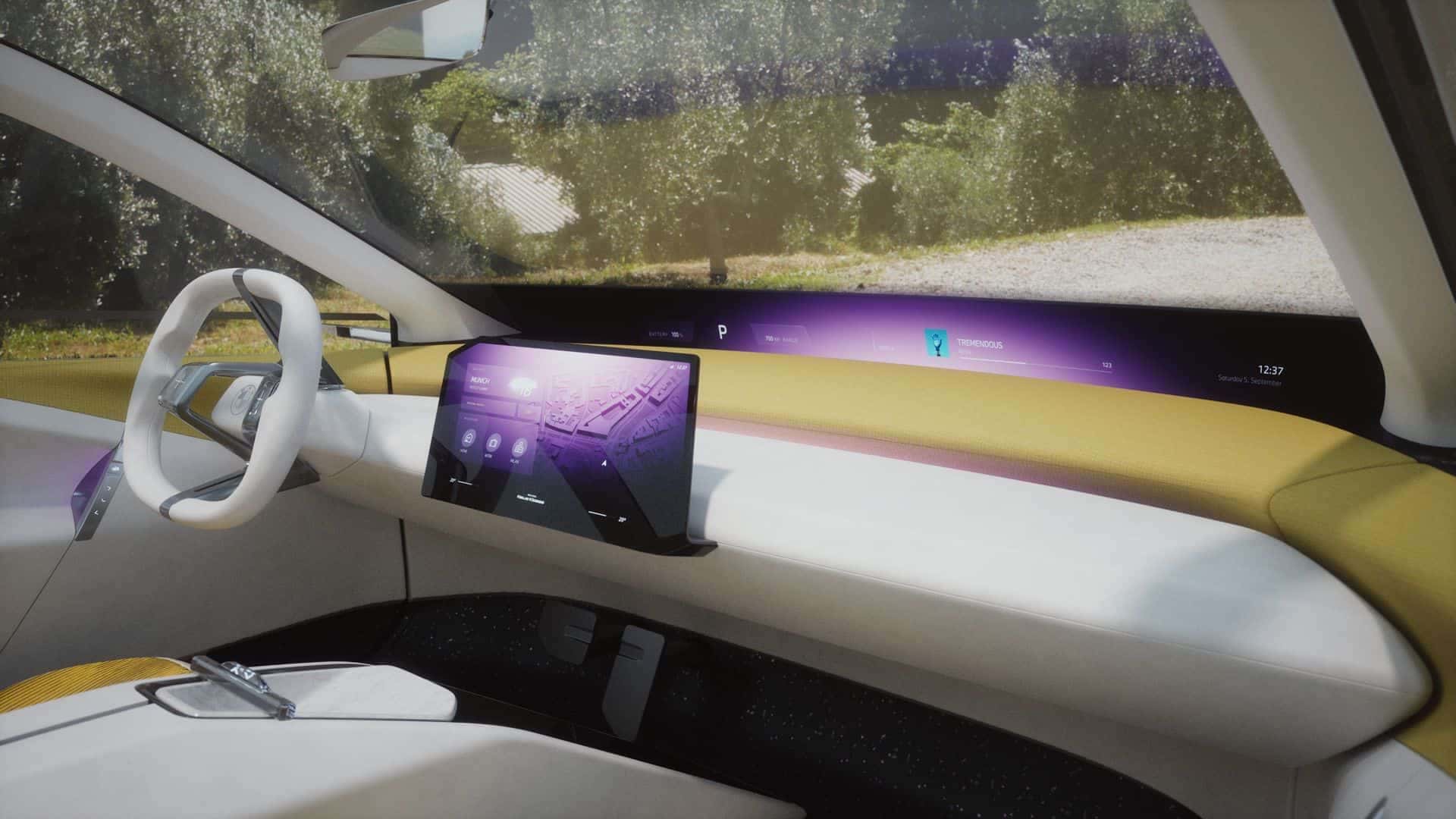
The automaker badge on the front of your car is not the same company that wrote the software running your dashboard. In most cases, the infotainment system, the voice assistant, the navigation, and the AI features come from a tech company you already use in your phone or at home. Understanding who built what helps you make a smarter buying decision, especially if seamless integration with your existing digital life is part of what you are shopping for.
This is a group-level overview of how the major automakers have structured their software partnerships as of August 2026. The landscape is shifting faster than most buyers realize, and a few of these arrangements have already changed once.
Index
- Who Builds the Tech Behind Your Dashboard: A Brand-by-Brand Breakdown
- The Google Camp: Built-In and Getting Bigger
- The Amazon Story: One Major Win, One Collapse
- The Apple Play: Embedded, Not Just Connected
- The Nvidia Camp: Silicon for the Whole Stack
- The Hybrid Approach: More Than One Partner
- The Build-It-Yourself Camp
- What This Means When You Are Shopping
- FAQ: Automotive Infotainment and AI Partnerships
The Google Camp: Built-In and Getting Bigger
Google has the largest footprint in automotive software right now. Its approach has two layers: Android Automotive OS as the underlying operating system, and Google Built-in as the branded experience that brings Maps, Assistant, and the Play Store directly into the car without needing a phone connected.
General Motors runs Google Built-in across Chevrolet, Cadillac, Buick, and GMC vehicles and is executing one of the largest AI rollouts in automotive history. As of April 2026, GM began pushing Google Gemini to approximately four million eligible 2022-model-year-and-newer US vehicles over the air, with no dealer visit required. Gemini handles open-ended conversation, general queries, and cloud-connected entertainment.
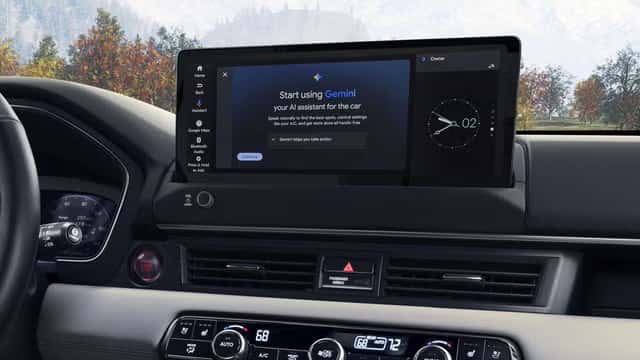
What makes GM’s situation worth watching is that the company is simultaneously building its own proprietary assistant, expected before the end of 2026, that combines GM vehicle knowledge with OnStar intelligence. GM’s own director of product management for voice and AI described it as designed to go beyond what a general-purpose assistant can do. Running Gemini now while building something to sit alongside it is a reasonable hedge, but it also raises the question of which system owns the relationship with the driver long-term. GM has not named the large language model provider powering its native assistant.
Volvo, Polestar, and Renault also run Google Built-in as their primary infotainment platform. The Honda Prologue, which is built on GM’s platform, runs the same Google Built-in stack.
Stellantis is the most recent addition to the Google camp, and its arrival there tells a story worth understanding. In 2022, Stellantis announced a major partnership with Amazon to build its STLA SmartCockpit system, a platform designed to bring Alexa-powered personalization, e-commerce, and connected services to all its vehicles. Three years later, that partnership wound down without producing a single vehicle. Stellantis confirmed to TechCrunch in May 2025 that it was pivoting to Android-based software instead. Amazon’s Alexa remains available in some existing Stellantis vehicles, and Stellantis continues to use Amazon Web Services for cloud infrastructure. But the flagship software partnership is over. Stellantis criticized Android Automotive in 2022 for being too demanding, then adopted it three years later when its alternative failed to ship. That history is useful context for how settled any of these partnerships should be assumed to be.
The Amazon Story: One Major Win, One Collapse
Amazon’s automotive strategy is more complicated than it looks from the outside.
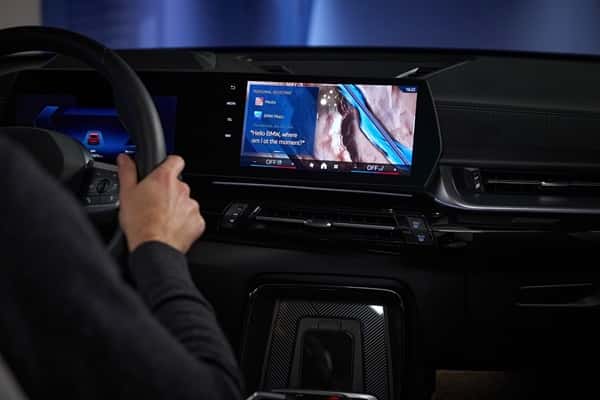
BMW and MINI are Amazon’s most significant active partnership in the vehicle space. BMW Group and Amazon have built a deep integration of Alexa into BMW’s iDrive system, with Alexa serving as a primary voice assistant alongside BMW’s own native assistant. BMW Group announced that Alexa+ is launching with the iX3 in 2026, bringing the more capable, conversational version of Alexa into BMW’s newest Neue Klasse vehicle from day one.
The Stellantis story above covers what happened on the other side of Amazon’s automotive ambitions. The STLA SmartCockpit partnership announced in 2022 never shipped. The collapse of a three-year development partnership between two major companies is the kind of event that warrants attention when evaluating any tech partnership announced today.
The Apple Play: Embedded, Not Just Connected
Apple’s relationship with cars has traditionally been at arm’s length. CarPlay and Android Auto both work by mirroring your phone’s interface onto the car’s screen. The car does not run Apple’s software natively. Apple controls the phone; the automaker controls the car.
Ford is changing that equation on its next-generation vehicles. The Universal Electric Vehicle platform, which underpins the Ford Fathom and future models, integrates Apple Maps natively rather than relying on phone mirroring. Navigation runs directly through the vehicle’s system using Apple’s mapping data, which means it works without a phone connected and can integrate with the vehicle’s own systems more deeply than a mirrored CarPlay session can. Ford confirmed this integration as part of the UEV platform announcement, with a native in-vehicle experience planned for 2027 models.
This is a meaningful distinction for anyone who uses Apple Maps daily and wants it to behave as a first-class feature rather than a phone accessory.
The Nvidia Camp: Silicon for the Whole Stack
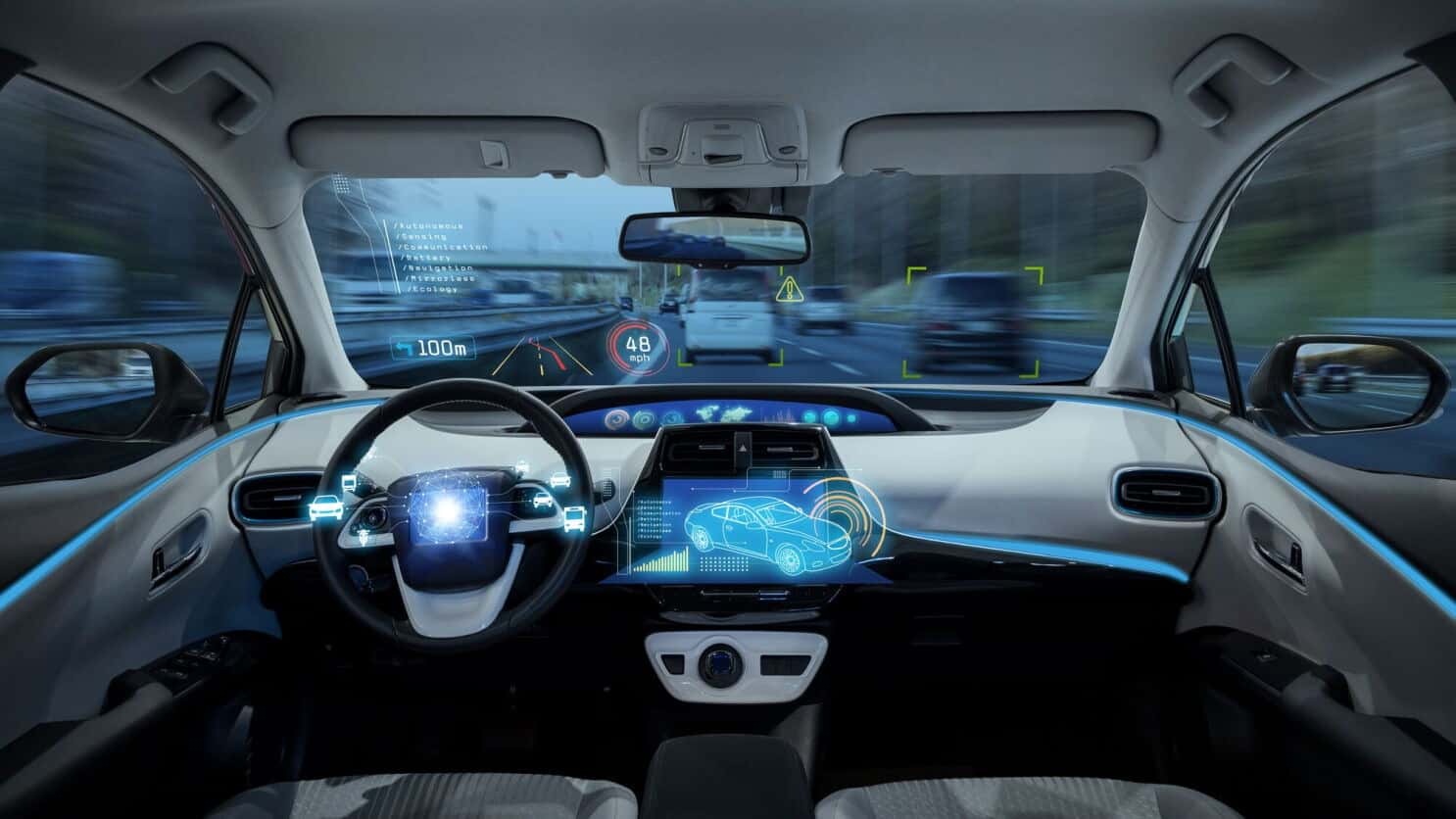
Nvidia is not building the software interface you see. It is providing the computing hardware and operating system that runs everything underneath it, including both infotainment and driver assistance.
Hyundai, Kia, and Genesis have standardized their entire lineup on NVIDIA DRIVE since 2022. Newer models within these brands are moving to NVIDIA DRIVE AGX Thor, a more powerful compute platform, running DriveOS, a safety-certified operating system designed to handle both infotainment functions and driver assistance tasks on the same hardware. The significance of the Thor platform is that it consolidates what used to require separate processors into a single compute unit, which reduces cost, simplifies architecture, and opens up more headroom for future AI features via software updates.
For a buyer cross-shopping Hyundai and Genesis against other brands, the Nvidia foundation is not something you interact with directly. It is the reason those vehicles can run increasingly sophisticated features over time without requiring a hardware upgrade.
The Hybrid Approach: More Than One Partner
Some automakers are not choosing a single tech partner. They are layering multiple relationships on top of a proprietary base.
Mercedes-Benz runs its MBUX system on its own MB.OS foundation while integrating AI from both Microsoft and Google simultaneously. This makes MBUX the first production in-car infotainment platform to pull from two major AI providers at once. Mercedes-Benz Media has covered MBUX’s development in detail. The approach gives Mercedes control over the platform architecture while accessing external AI capabilities rather than betting on a single partner.
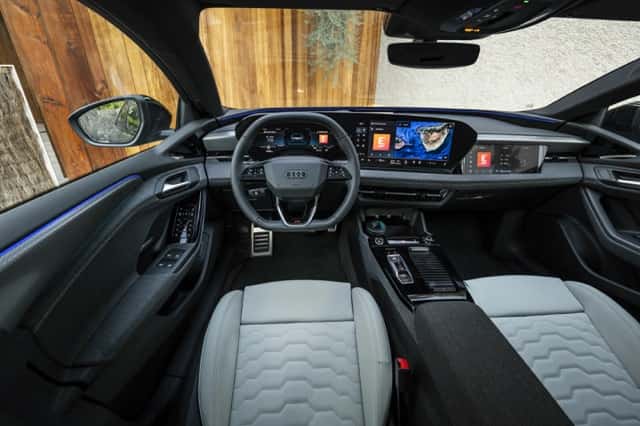
Audi runs a hybrid approach on its own terms. The MMI system is built on Android Automotive OS, developed in partnership with Volkswagen Group’s CARIAD software unit and Harman Ignite. This means Audi’s infotainment has Google’s operating system underneath it but is substantially customized through CARIAD rather than being a standard Google Built-in implementation. Audi retains more control over the user experience than a brand running unmodified Google Built-in, at the cost of more internal development complexity.
The Build-It-Yourself Camp
Two major automakers have chosen to stay outside the Google, Amazon, and Apple orbits entirely.
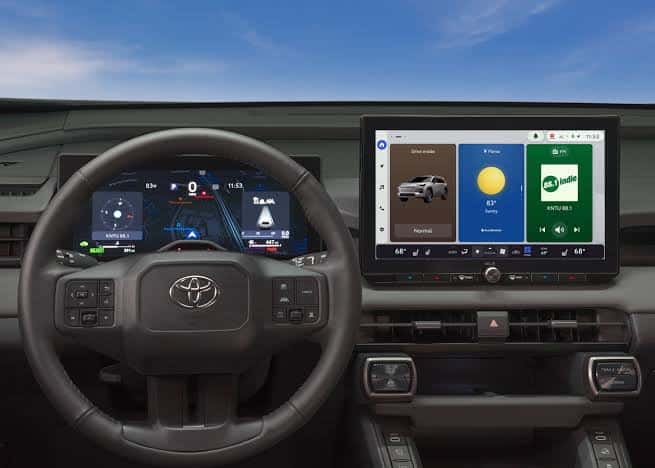
Toyota is building its own software stack through Woven by Toyota, an internal subsidiary. The Toyota Arene platform, developed in-house, runs Toyota Audio Multimedia on Automotive Grade Linux, an open-source operating system that Toyota helped develop and that a consortium of manufacturers contributes to. Automotive Grade Linux is not Google’s platform and not Amazon’s. Toyota’s choice to stay outside the major tech company ecosystems is deliberate and reflects a long-standing preference for controlling its own supply chain and software destiny. Whether this produces a better driver experience or a worse one depends on the specific vehicle and feature, but it is a fundamentally different philosophical bet than what GM or Stellantis are making.
Tesla remains fully vertically integrated, building its own software stack from the ground up with no outside infotainment partner. Tesla’s over-the-air update capability, its Full Self-Driving software, and its Autopilot system all run on Tesla’s proprietary architecture. This approach gives Tesla complete control over the pace of feature development and the ability to update the driving experience without coordinating with external partners. It also means Tesla’s capabilities are limited to what Tesla can build internally, with no access to the scale advantages that come with Google or Microsoft partnerships.
What This Means When You Are Shopping
A few practical takeaways for someone cross-shopping across brands right now.
If deep integration with Google’s ecosystem, Maps, Assistant, and Play Store apps, matters to you, GM, Volvo, Hyundai, Genesis, and Kia all run Google Built-in natively. Stellantis is moving in that direction. This is the largest single camp in the industry by number of brands.
If you are an iPhone-centric buyer who wants Maps embedded rather than mirrored, Ford’s next-generation UEV vehicles are the clearest current example of native Apple Maps integration. Most other brands still treat Apple as a phone-mirroring option rather than an embedded platform.
If you care about which platform is most likely to receive ongoing AI development and over-the-air improvements, the Google and Nvidia camps are the most active right now in terms of announced updates. GM’s Gemini rollout is the largest single AI deployment in the automotive space as of mid-2026.
If continuity and control matter more to you than integration with a specific tech ecosystem, Toyota and Tesla are the two brands building everything in-house. The trade-off is less seamless integration with phone-based services but more predictable platform behavior over the vehicle’s life.
The one thing this landscape makes clear is that these partnerships are not permanent. Stellantis committed publicly to Amazon in 2022 and was on Google three years later. Any shopper who assumes the tech partnership announced at purchase will still be the primary one in five years is making a bet that the last few years suggest is worth hedging.
FAQ: Automotive Infotainment and AI Partnerships
Which car brands use Google Built-in? As of August 2026, brands running Google Built-in include Chevrolet, Cadillac, Buick, GMC, Volvo, Polestar, Renault, and the Honda Prologue. Stellantis, which makes Jeep, Ram, Dodge, Chrysler, and Fiat vehicles, is moving to Android Automotive OS after ending its Amazon partnership in 2025.
What happened to Stellantis and Amazon? Stellantis announced a major in-car software partnership with Amazon in 2022 to build the STLA SmartCockpit system. That partnership wound down in May 2025 without shipping a vehicle. Stellantis confirmed it is pivoting to Android-based software. Amazon’s Alexa remains in some existing Stellantis vehicles, and Amazon Web Services continues as Stellantis’s preferred cloud provider.
What is GM doing with Google Gemini and its own AI? GM is rolling Google Gemini out to approximately four million eligible 2022-model-year-and-newer Chevrolet, Cadillac, Buick, and GMC vehicles in the US via over-the-air update. Separately, GM is building a proprietary native AI assistant that combines GM vehicle knowledge with OnStar intelligence, expected before the end of 2026. The proprietary assistant is designed to work alongside Gemini rather than replace it.
Which cars use Nvidia for infotainment? Hyundai, Kia, and Genesis have standardized their lineups on NVIDIA DRIVE since 2022. Newer models are moving to NVIDIA DRIVE AGX Thor with DriveOS, a safety-certified operating system that handles both infotainment and driver assistance functions.
Which automakers build their own software without outside partners? Toyota builds its own software through Woven by Toyota on Automotive Grade Linux, an open-source platform developed by an industry consortium. Tesla builds its entire software stack in-house with no outside infotainment partner.
What is BMW doing with Amazon Alexa? BMW Group is one of Amazon’s primary automotive partners. Alexa is integrated into BMW’s iDrive system as a primary voice assistant. BMW Group announced that Alexa+ is launching with the iX3 in 2026, bringing the more capable version of Alexa to BMW’s Neue Klasse platform from its debut.
What is Apple’s role in automotive infotainment? Apple’s traditional role has been phone mirroring through CarPlay rather than native software integration. Ford is changing this with its Universal Electric Vehicle platform, which integrates Apple Maps natively so it runs directly through the vehicle’s system without a phone connected. Ford has announced a full native in-vehicle experience for 2027 models.
What is Mercedes-Benz doing differently? Mercedes-Benz runs its MBUX system on its own MB.OS platform and integrates AI from both Microsoft and Google simultaneously, making it the first production infotainment system to draw on two major AI providers at once. Mercedes-Benz Media covers MBUX developments as part of the company’s software strategy communications.
0 comment(s) so far on Apple, Amazon, NVIDIA, or Google – Who builds the tech behind your car’s dashboard?